How to Use Binoculars for Whale Watching in Samaná
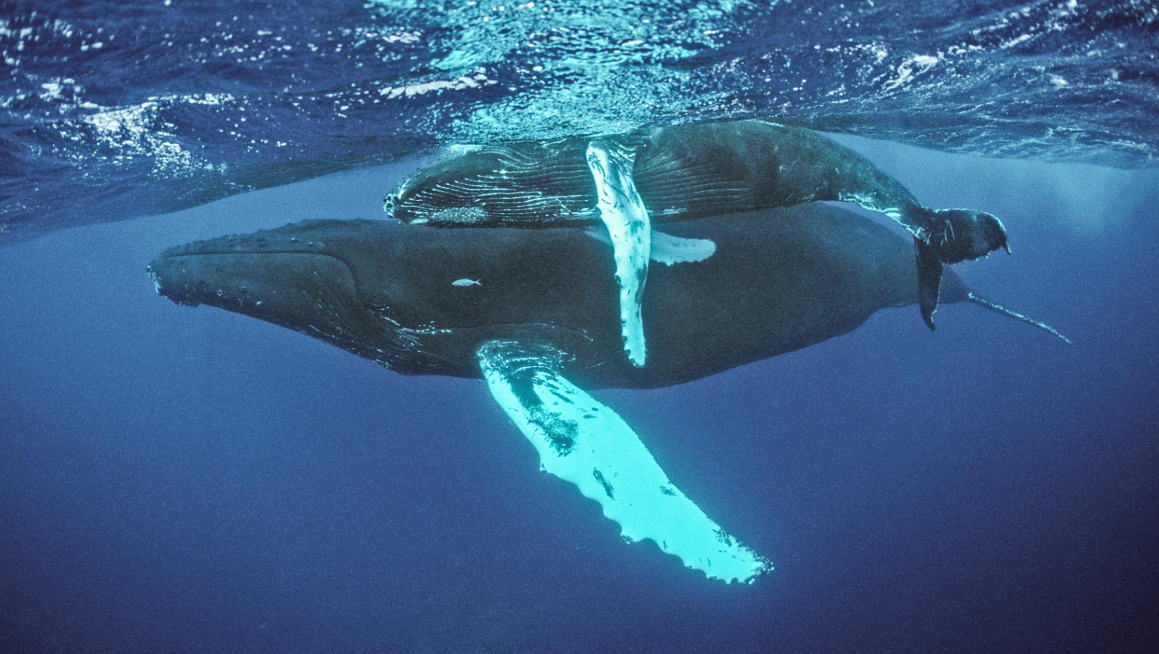
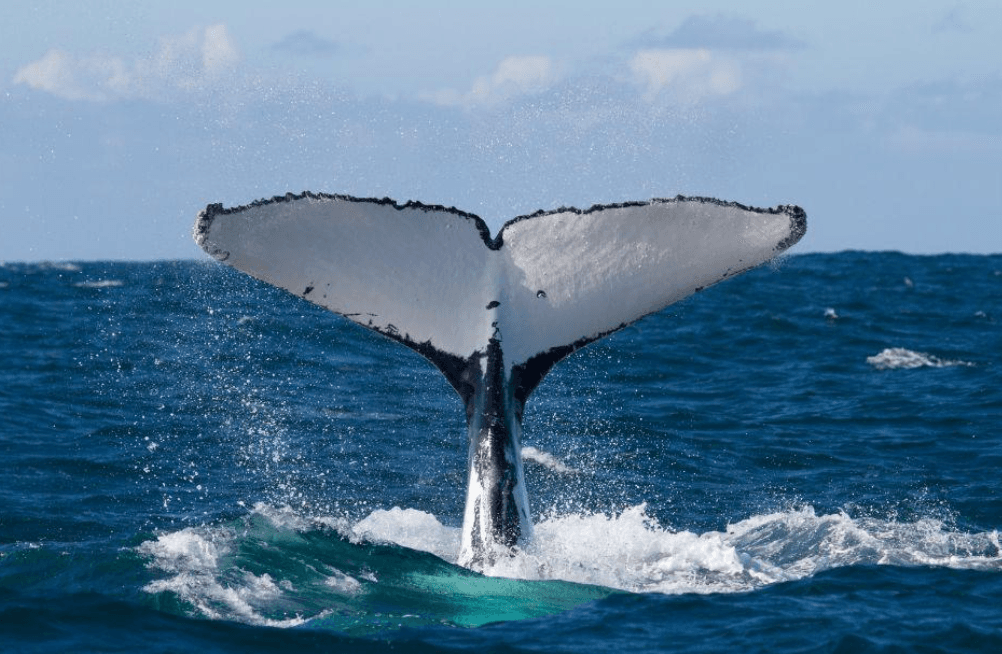
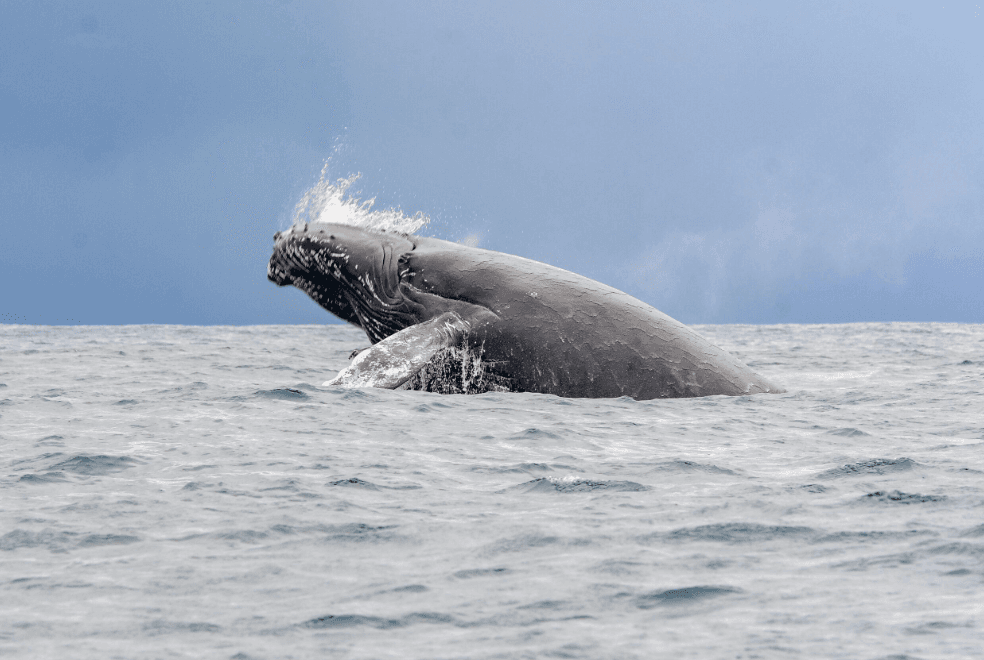
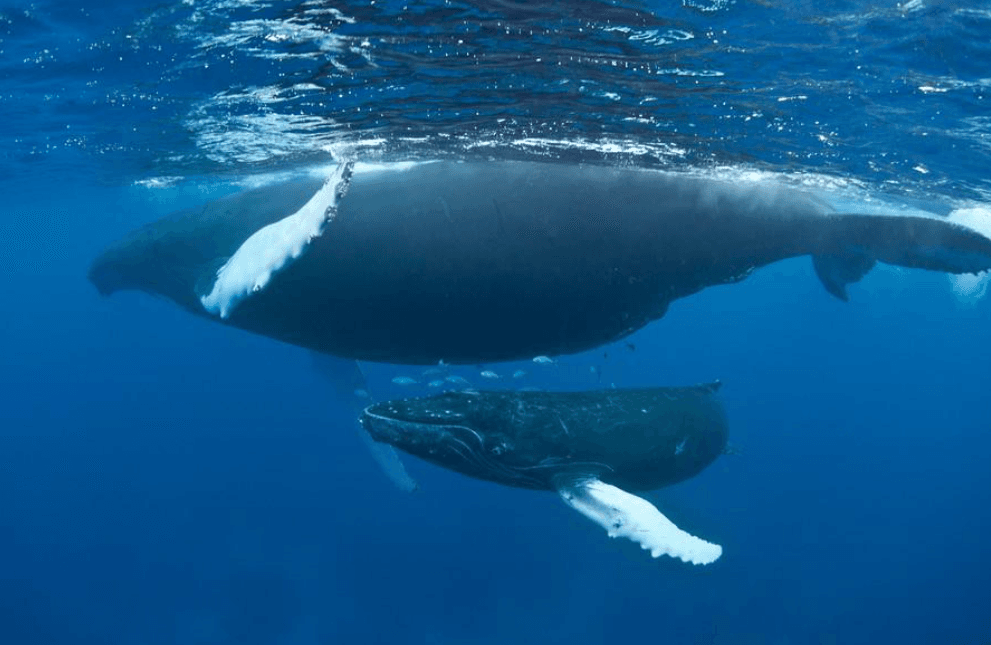
Whale watching in Samaná, Dominican Republic, is an exciting opportunity to observe humpback whales in their natural environment. During the seasonal migration, visitors may see whales surfacing, raising their tails, or displaying other fascinating behaviors across Samaná Bay.
Although whales can sometimes be seen with the naked eye, binoculars can help you examine distant activity and notice details that might otherwise be difficult to see. The right pair can make it easier to observe a whale's movement, follow a distant seabird, or look more closely at the surrounding ocean.
You do not need expensive professional equipment to enjoy whale watching. With a suitable pair of binoculars and a little practice, you can make better use of your time on the water.
This guide explains how to choose binoculars for whale watching in Samaná, how to focus them correctly, and how to use them comfortably and safely on a moving boat.
Why Bring Binoculars on a Whale-Watching Tour?
Whales are large animals, but they do not always surface close to a boat. Sometimes, the most noticeable sign of a whale is a distant splash, a brief appearance of its back, or a tail disappearing beneath the water.
Binoculars can help you examine these sightings without needing to move closer to the animal. They may also be useful for observing seabirds and other distant features around the bay.
Here are some reasons to consider bringing a pair:
- See distant details: Magnification can make a distant whale easier to observe.
- Follow surface activity: You may be able to examine a whale's back, tail, or movement more clearly.
- Observe surrounding wildlife: Binoculars can also be useful for birdwatching.
- Stay in your seat: You can observe distant activity without constantly moving around the boat.
- Improve your experience: Learning to use binoculars can make the excursion more engaging, especially for wildlife enthusiasts.
Binoculars are optional, however. Many passengers enjoy whale watching without them, and a whale that surfaces close enough may be easier to appreciate with the naked eye.
1. Choose the Right Binocular Magnification
One of the most important things to understand when buying binoculars is magnification.
Binocular specifications commonly appear as two numbers, such as 8×42 or 10×42. The first number represents magnification, while the second represents the diameter of the objective lenses in millimeters.
For example, 8× binoculars make an object appear approximately eight times closer in angular size than it would to the unaided eye.
For whale watching from a boat, higher magnification is not always better.
8× binoculars
Eight-power binoculars are a practical option for many casual wildlife observers. They offer useful magnification while generally being easier to hold steady than more powerful models.
They can be a good starting point if you are new to binoculars or expect to use them mainly for general wildlife viewing.
10× binoculars
Ten-power binoculars provide greater magnification and can help you examine distant animals. However, hand movement is also more noticeable, which may make the image harder to keep steady on a moving boat.
They may suit travelers who are comfortable using binoculars and can hold them securely.
Which should you choose?
For many beginners, 8× binoculars are a sensible option to consider. If you prefer greater magnification, compare 10× models in person and check whether you can keep the image stable.
The best choice depends on your eyesight, comfort, experience, and the conditions in which you will use the binoculars.
2. Understand Lens Size and Brightness
The second number in a binocular specification refers to the diameter of the objective lenses.
For example, in 8×42 binoculars, the objective lenses measure 42 millimeters across.
Larger objective lenses can gather more light, although brightness also depends on optical quality, lens coatings, exit pupil, and viewing conditions. Larger binoculars are often heavier and may take up more space in your travel bag.
For a boat excursion in Samaná, consider the balance between image quality, size, and comfort.
Compact binoculars are easy to carry, while medium-sized models may offer a comfortable balance between portability and viewing performance.
You do not necessarily need the largest lenses available. Choose equipment that you can carry, hold, and use without unnecessary strain.
3. Learn How to Focus Your Binoculars Before the Trip
Practicing at home can make your whale-watching experience much easier.
Many binoculars have a central focus wheel and a diopter adjustment that compensates for differences between your eyes. The exact arrangement varies by model, so consult the manufacturer's instructions.
A simple preparation routine is:
- Find a stationary object at a comfortable distance.
- Hold the binoculars securely and look through both eyepieces.
- Adjust the eyecups according to the manufacturer's instructions and your glasses-wearing needs.
- Use the diopter adjustment to account for differences between your eyes.
- Turn the central focus wheel until the image becomes clear.
- Practice looking away and finding the same object again.
Complete the initial setup before boarding if possible. You will have more time to enjoy the scenery rather than trying to learn the controls while the boat is moving.
Avoid focusing on the sun or pointing binoculars toward it. Looking at the sun through binoculars can cause serious eye injury.
4. Practice Finding Objects Before Using Binoculars
One of the most common beginner challenges is finding a distant object through binoculars.
The magnified field of view is narrower than your unaided view, so it can be surprisingly difficult to locate a whale immediately.
Try this technique:
First, locate the object with your eyes. Look directly at the distant bird, splash, or other feature.
Second, keep your gaze in the same direction. Raise the binoculars to your eyes without looking away from the target.
Third, make small adjustments. If the object is not visible, lower the binoculars, find the target again without them, and repeat the process.
This method is especially useful when looking for a whale that has surfaced briefly.
Practice with stationary objects before your trip. With experience, you will become more comfortable moving from unaided viewing to magnified viewing.
5. Use Binoculars Carefully on a Moving Boat
Using binoculars from a boat is different from using them on land. The vessel may rise and fall, and small movements can make a magnified image appear unstable.
To improve comfort and stability:
- Sit in a secure position when possible.
- Hold the binoculars with both hands.
- Keep your elbows close to your body.
- Use a neck strap or harness suitable for your equipment.
- Avoid leaning over the side of the boat.
- Follow the crew's instructions about where you may stand or sit.
- Put the binoculars away if the boat becomes rough or you need to move.
Do not attempt to stabilize yourself by holding a rail with one hand while using binoculars with the other if this compromises your balance. Your safety is more important than getting a closer look.
If the sea is rough, it may be more comfortable to watch with your unaided eyes until conditions improve.
6. Know When to Use Binoculars and When to Put Them Down
Binoculars are useful for distant observations, but they are not always the best way to enjoy a whale sighting.
When a whale surfaces nearby, looking through binoculars may make it harder to appreciate the animal's size and its relationship to the surrounding water.
Try switching between magnified and unaided viewing.
Use binoculars when you want to examine distant activity or identify a feature more clearly. Put them down when a whale appears close enough to enjoy with your eyes alone.
This approach also helps you stay aware of your surroundings and reduces the time you spend looking through a narrow field of view.
Remember that whales move unpredictably. You may not have time to adjust your equipment before a brief sighting ends.
7. Consider Waterproofing and Weather Protection
Boat trips expose equipment to humidity, splashes, and sometimes unexpected rain. Even when the forecast is favorable, water spray may reach your seat.
When shopping for binoculars, consider a model with appropriate water resistance and fog-resistant construction. Check the manufacturer's specifications rather than assuming that every model is waterproof.
A floating strap may also be useful if your binoculars are designed for marine use, although it does not eliminate the risk of losing them.
For additional protection:
- Keep binoculars in a padded case when not in use.
- Store them securely when the boat is moving.
- Use a clean lens cloth to remove fingerprints and minor smudges.
- Follow the manufacturer's instructions for cleaning salt spray.
- Avoid wiping gritty or salty surfaces with a dry cloth, which could scratch the lenses.
A simple protective case can help keep your equipment in good condition throughout your trip.
8. Should You Bring Binoculars With Image Stabilization?
Some binoculars include image stabilization, a feature designed to reduce the effects of hand movement.
This can be helpful at higher magnifications or when observing distant objects. However, stabilized binoculars may cost more, and their weight, battery requirements, and controls vary by model.
For a single whale-watching excursion, standard binoculars may be perfectly adequate.
If you already own stabilized binoculars, practice using them before the trip and check any battery requirements. If you are purchasing equipment specifically for whale watching, compare the cost and comfort benefits against a simpler model.
You do not need specialized professional gear to enjoy a wildlife excursion.
9. Can You Use Binoculars to Identify Individual Whales?
Binoculars can help you observe visible features, but identifying individual humpback whales reliably can be difficult from a moving boat.
Researchers may use photographs of distinctive tail-fluke patterns and other markings to help identify individual whales. This process requires suitable images and comparison with documented records.
A casual observer may notice differences between whales, but a brief view through binoculars is not enough to establish an individual whale's identity with confidence.
Enjoy the details you can see, and ask your guide if you would like to learn more about how scientists study humpback whales.
10. What If You Do Not Own Binoculars?
You can still enjoy whale watching in Samaná without buying a pair.
Before purchasing equipment for a single trip, consider whether you will use it for other activities such as birdwatching, hiking, or future wildlife excursions.
You may be able to borrow binoculars from a friend or rent them from a suitable equipment provider. If you hope to borrow or rent a pair through your tour operator, confirm availability directly rather than assuming it is included.
If you decide to travel without binoculars, focus on the overall experience. Watch the water, listen to the guide, and observe how whales surface and move.
The quality of a whale-watching experience does not depend on owning specialized equipment.
Common Binocular Mistakes to Avoid
A few simple mistakes can make binoculars more difficult to use.
Choosing excessive magnification: More magnification can make the image harder to stabilize, especially on a boat.
Waiting until the excursion to practice: Learning how to focus and find objects ahead of time saves effort during the trip.
Keeping binoculars raised constantly: Alternating between magnified and unaided viewing helps you remain aware of your surroundings.
Ignoring water protection: Salt spray, moisture, and careless cleaning can damage optical equipment.
Standing in an unsafe position: Never risk your balance to obtain a better view.
Expecting binoculars to guarantee a sighting: They improve your ability to observe distant activity but cannot make whales appear or guarantee a close encounter.
Frequently Asked Questions
What binocular magnification is best for whale watching in Samaná?
Eight-power binoculars are a useful starting point for many beginners because they balance magnification and ease of handling. Ten-power models offer more magnification but can be harder to stabilize on a moving boat.
Are binoculars necessary for whale watching?
No. Binoculars are optional equipment. They can help with distant observations, but many passengers enjoy whale watching with their unaided eyes.
Are waterproof binoculars worth it for a whale-watching trip?
Water-resistant binoculars can be a practical choice because boat passengers may encounter spray, humidity, or rain. Check the manufacturer's specifications and use appropriate protective storage.
Can binoculars help me see whale tails and breaches?
They can help you observe distant surface activity, including a tail appearing above the water. However, whale behavior is unpredictable, and binoculars cannot guarantee that you will see a particular movement.
Can I use ordinary binoculars on a boat?
Yes, many standard binoculars can be used on a boat when conditions are suitable. Choose a comfortable model, use a secure strap, and put them away if the vessel becomes rough.
Should I buy expensive binoculars just for this trip?
Not necessarily. A comfortable, reasonably suitable pair may be enough for casual wildlife viewing. Consider borrowing or renting equipment if you do not expect to use it regularly.
Final Thoughts
Binoculars can make whale watching in Samaná more engaging by helping you observe distant animals and details across the bay. The most important factors are choosing a suitable magnification, learning to focus before your trip, and handling the equipment safely on the water.
For many visitors, a comfortable pair of 8× binoculars is a practical place to start. More powerful models may suit experienced users, but stability and ease of use matter just as much as magnification.
Bring binoculars if they suit your travel style, but do not feel that you need expensive equipment to enjoy the experience. Keep your attention on the sea, follow the crew's instructions, and appreciate every wildlife encounter without disturbing the animals.

Local explorer & expert guide in Samaná Bay Whale Watching.