Accessible Whale Watching in Samaná: A Practical Guide for Travelers With Limited Mobility
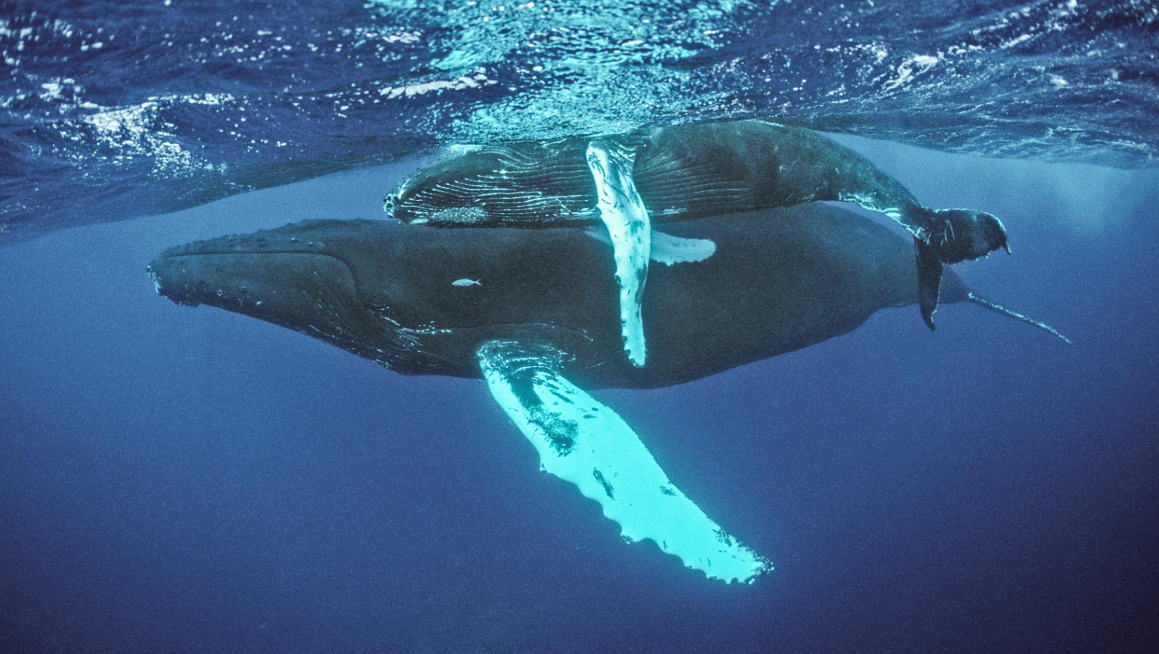
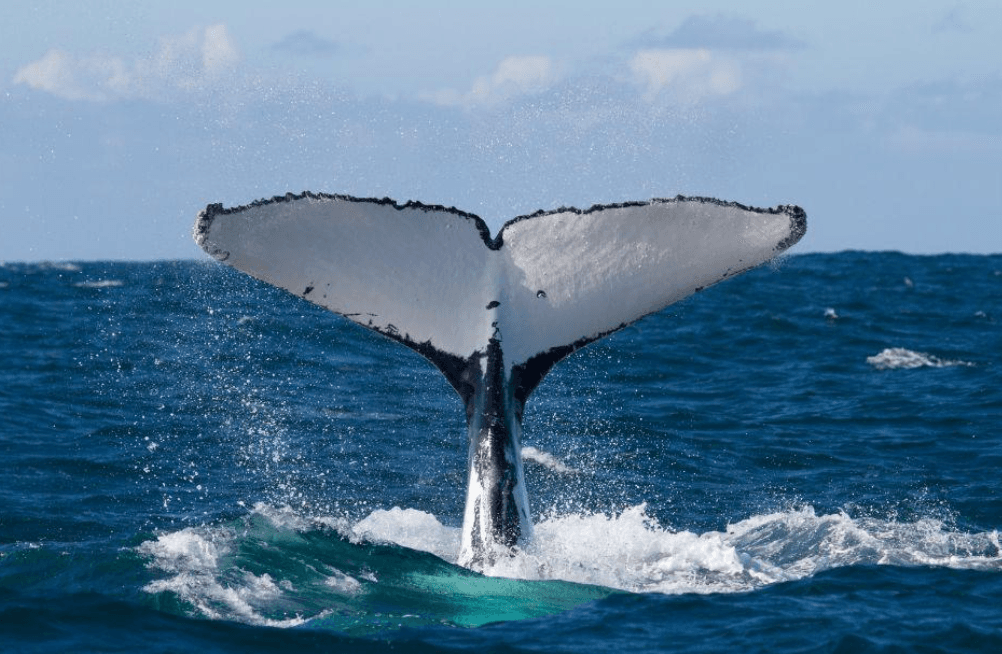
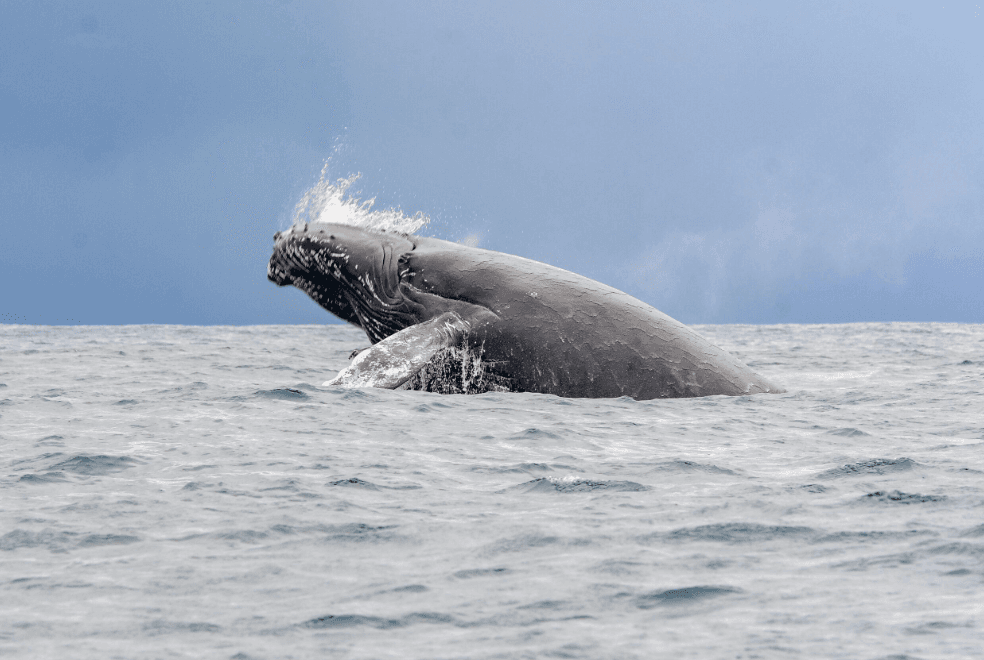
Whale watching in Samaná, Dominican Republic, offers an opportunity to observe magnificent humpback whales in their natural environment. During the seasonal migration, visitors travel to Samaná Bay hoping to see whales surfacing, lifting their tails, or occasionally breaching above the water.
For travelers with limited mobility, however, planning a boat excursion may require additional preparation. Boarding a boat, moving around a dock, finding suitable seating, and managing the movement of a vessel can all affect whether a tour is comfortable and practical.
The good news is that travelers can take several steps to identify a suitable experience before booking. This guide explains how to plan accessible whale watching in Samaná, what to ask tour operators, and how to prepare for a more comfortable excursion.
Is Whale Watching in Samaná Accessible?
Accessibility depends on the specific tour operator, departure point, boat design, and the assistance available on the day of the excursion. Not every whale-watching boat or boarding facility will accommodate every mobility requirement.
Some boats may require passengers to step across a gap between the dock and the vessel. Others may have narrow entrances, uneven surfaces, limited handholds, or seating that is difficult to access. Restroom facilities and wheelchair storage can also vary.
For this reason, do not assume that a tour is accessible simply because it is advertised as suitable for families or visitors of all ages.
Instead, explain your individual requirements to the operator before making a reservation. Ask for specific information about boarding, seating, mobility equipment, and the conditions you can expect during the trip.
1. Contact the Tour Operator Before Booking
The most important step is to speak directly with the tour operator before paying for your excursion.
A general statement such as “accessible tour available” may not explain whether the boat can accommodate your particular needs. Ask detailed questions and describe the assistance you require.
For example, explain whether you:
- Use a manual or powered wheelchair.
- Walk short distances with a cane, walker, or another mobility aid.
- Need assistance stepping from a dock onto a boat.
- Require a stable seat with back support.
- Have difficulty standing for extended periods.
- Need to keep mobility equipment with you during the excursion.
- Travel with a companion who can provide assistance.
Ask the operator to confirm what is possible for your specific situation. If accessibility is essential, request written confirmation before booking.
2. Check the Boat Boarding Arrangements
Boarding may be one of the most challenging parts of a whale-watching trip for passengers with limited mobility.
Depending on the departure location and vessel, boarding may involve steps, a narrow gangway, a gap between the dock and boat, or movement between surfaces that shift slightly with the water.
Before reserving, ask:
- Are there steps between the dock and the boat?
- Is a ramp or suitable boarding aid available?
- How wide is the boarding entrance?
- Are handrails or secure handholds available?
- Does the boat move significantly while passengers board?
- Can staff provide physical assistance, and what assistance are they trained to provide?
- Can a wheelchair user board and remain in their wheelchair, or would a transfer be necessary?
Do not rely on photographs alone to assess accessibility. A ramp visible in a picture may not be suitable for a particular wheelchair, and the actual boarding arrangement may change with tides or dock conditions.
If you cannot safely manage the boarding process described by the operator, consider a different excursion or an alternative land-based experience.
3. Ask About Wheelchair and Mobility Equipment Storage
Travelers using wheelchairs, walkers, or other mobility aids should confirm how their equipment will be handled during the trip.
Some vessels may have limited space, and equipment may need to be folded or stored away from passenger seating. Powered wheelchairs can present additional challenges because of their size, weight, and battery requirements.
Ask the operator:
- Is there enough space for my mobility equipment?
- Can I remain seated in my wheelchair throughout the trip?
- If a transfer is required, is there an appropriate place to complete it safely?
- Where will my wheelchair or walker be stored?
- Will the equipment remain protected from water and sea spray?
- Can I access my mobility aid immediately when the boat returns?
Never assume staff can lift a passenger or heavy mobility equipment. Discuss any transfer requirements in advance, and do not attempt an unsafe transfer simply to join an excursion.
4. Choose Seating That Meets Your Needs
Whale watching often involves waiting for whales to surface. Passengers may spend a substantial part of the trip seated while the boat travels through the bay and searches for wildlife.
Ask about the seating arrangement before booking. Important considerations include back support, legroom, seat height, stability, and the distance between the boarding area and the seating location.
You may also want to know whether passengers can remain seated while watching whales or whether the crew expects them to move around the vessel.
A suitable seat can make the experience more comfortable, but remember that even a stable boat can move with the waves. If you have difficulty maintaining balance or sitting securely, discuss this with the operator before deciding whether the excursion is appropriate.
5. Understand the Duration and Sea Conditions
The comfort of a whale-watching excursion depends partly on the weather, sea state, vessel, and length of time spent on the water.
Before booking, confirm the expected duration of the complete trip, including boarding and disembarking. Ask whether there are opportunities to return to shore early if necessary, and whether the operator has a clear procedure for passengers who become uncomfortable during the excursion.
If prolonged sitting, repetitive movement, or exposure to sun and wind affects your mobility or comfort, explain this in advance.
A calm forecast does not guarantee smooth water throughout the trip. The operator should be able to explain how changing sea conditions may affect the excursion and what happens if conditions are unsuitable.
6. Confirm Restroom Access and Essential Facilities
Restroom access is an important consideration for anyone who needs accessible facilities or regular bathroom breaks.
Do not assume that a whale-watching boat has an onboard restroom. Even when one is available, it may not be accessible to passengers with mobility limitations.
Ask whether accessible restrooms are available at the departure point, whether the boat has a restroom, and whether it can accommodate your particular needs.
Also check the availability of shaded seating, drinking water, and a suitable place to wait before boarding. If you need a specific facility, request confirmation rather than relying on general descriptions.
7. Plan Accessible Transportation to the Departure Point
Your experience begins before you reach the boat. Transportation to the marina or dock may involve steps, uneven surfaces, long walking distances, or vehicles that are difficult to enter.
When arranging transport in Samaná, ask whether the vehicle can accommodate your wheelchair or mobility aid and whether assistance is available when entering and leaving the vehicle.
Confirm the exact meeting point, the distance from the drop-off area to the boarding location, and whether the route includes stairs or uneven ground.
If you are traveling from another destination in the Dominican Republic, discuss the full journey with your transport provider. A boat tour may meet your needs while the transfer to the departure point does not.
Allow extra time for travel and boarding so that you do not have to rush.
8. Travel With a Companion When Appropriate
Some travelers may prefer to bring a companion who understands their mobility needs and can provide assistance when required.
Before booking, check whether the companion can sit nearby, whether both passengers can board together, and whether the operator has any restrictions on assistance animals or mobility equipment.
Do not assume that a tour guide or boat crew can provide personal care or lifting assistance. Ask what help staff can safely provide and arrange any additional support you need before departure.
Traveling with a companion is a personal choice, not a universal requirement. The right arrangement depends on your abilities, the vessel, and the assistance confirmed by the operator.
9. Prepare for Sun, Wind, and Water Spray
Conditions on the water can feel different from those on land. Sunlight, wind, humidity, and sea spray may affect comfort during the excursion.
Consider bringing:
- Sun protection appropriate for your needs.
- A lightweight jacket or protective layer.
- Drinking water, if permitted by the operator.
- Any personal mobility accessories you normally use.
- Essential items in a water-resistant bag.
- Necessary personal supplies and medications.
Keep essential items within reach rather than placing them somewhere that is difficult to access. If you need to take medication during the trip, follow your healthcare professional's instructions and confirm that you can keep it safely available.
Ask the operator whether there are restrictions on personal equipment or bags.
10. Prioritize Safety Over the Booking
A responsible whale-watching experience should take passenger safety seriously. The boat, crew, weather conditions, and boarding arrangements all matter.
Before confirming your reservation, ask about life jackets, emergency procedures, and how the crew accommodates passengers with different mobility requirements.
Find out whether an appropriately sized life jacket is available for you and whether you can put it on and secure it as required. If you cannot use the equipment provided, discuss this before departure.
Do not board if the actual conditions are substantially different from what the operator confirmed or if you cannot safely get onto the vessel, remain seated, or follow emergency instructions.
It is better to postpone or choose another activity than to take an avoidable risk.
Questions to Ask Before Booking Accessible Whale Watching in Samaná
Use this checklist when contacting a tour operator:
- Is the departure dock accessible for my mobility needs?
- Are there steps, steep ramps, or gaps during boarding?
- Can I remain in my wheelchair or will I need to transfer?
- Is there enough space for my mobility equipment?
- What seating options are available?
- Is a restroom available, and is it accessible?
- How long is the excursion?
- What assistance can the crew provide?
- Are suitable life jackets available?
- What happens if sea conditions become uncomfortable or unsafe?
- Is accessible transportation available to the departure point?
- What is the cancellation or rescheduling policy if accessibility needs cannot be accommodated?
Save the operator's answers so you can compare options accurately.
Alternatives if a Boat Tour Is Not Suitable
If you cannot find a boat excursion that meets your needs, you can still plan a meaningful visit to the Samaná region.
Depending on the facilities available, consider a waterfront viewpoint, a scenic drive, a guided land-based activity, or a relaxed visit to an accessible public area. Verify the condition of paths, parking, restroom facilities, and entrances before visiting.
You may also ask a tour operator whether a private arrangement is possible. However, a private boat is not automatically more accessible; the vessel and boarding arrangements still need to meet your requirements.
If seeing whales from a boat is not practical, a land-based alternative may provide a more comfortable way to enjoy the coastal scenery.
Frequently Asked Questions
Is whale watching in Samaná wheelchair accessible?
Accessibility varies by operator, boat, and departure point. Confirm boarding arrangements, wheelchair space, seating, restroom access, and emergency procedures directly with the provider before booking.
Can I take a wheelchair on a whale-watching boat?
Possibly, but it depends on the vessel's layout, boarding access, storage capacity, and your individual requirements. Ask whether you can remain in your wheelchair throughout the trip and whether the boat can accommodate its dimensions and weight.
Can someone help me board the boat?
Some operators may provide limited assistance, but the type and extent of help vary. Confirm this in advance, including whether staff can safely support your particular transfer needs. Do not assume crew members can lift passengers.
Is a private whale-watching tour more accessible?
Not necessarily. A private tour may offer greater flexibility, but it does not guarantee an accessible boat, suitable seating, or safe boarding. Evaluate the actual vessel and arrangements before paying.
What if I cannot find a suitable accessible tour?
Consider contacting several operators, asking for detailed accessibility information, and exploring land-based alternatives. Do not book a tour that cannot safely accommodate your mobility requirements.
Final Thoughts
Accessible whale watching in Samaná starts with good communication and realistic expectations. By checking boarding access, seating, mobility equipment storage, transportation, facilities, and safety arrangements, you can make a more informed decision about whether a particular excursion is right for you.
Every traveler has different needs, so the most useful information comes from an operator who can answer specific questions about the actual boat and departure point.
Plan ahead, request clear confirmation, and prioritize your comfort and safety. With the right preparation, you can make the most of your visit to Samaná while choosing an experience that respects your individual requirements.
Planning tip: Before publishing or booking, verify all accessibility details directly with the relevant operator. Do not describe a specific boat or tour as wheelchair accessible unless its facilities and arrangements have been confirmed.

Local explorer & expert guide in Samaná Bay Whale Watching.