Why Do Humpback Whales Breach in Samaná Bay?
Imagine watching the calm blue waters of Samaná Bay when a massive whale suddenly launches itself into the air. For a brief moment, its enormous body rises above the ocean before crashing back into the water with a spectacular splash.
This behavior is known as breaching, and it is one of the most remarkable sights a visitor might encounter during humpback whale season in the Dominican Republic.
But why do humpback whales leap out of the water Are they communicating with other whales, playing, or trying to remove parasites Scientists have explored several possible explanations, but there is no single answer that explains every breach.
Understanding the possible reasons behind this behavior can make a whale-watching experience in Samaná even more meaningful.
What Is Breaching in Humpback Whales?
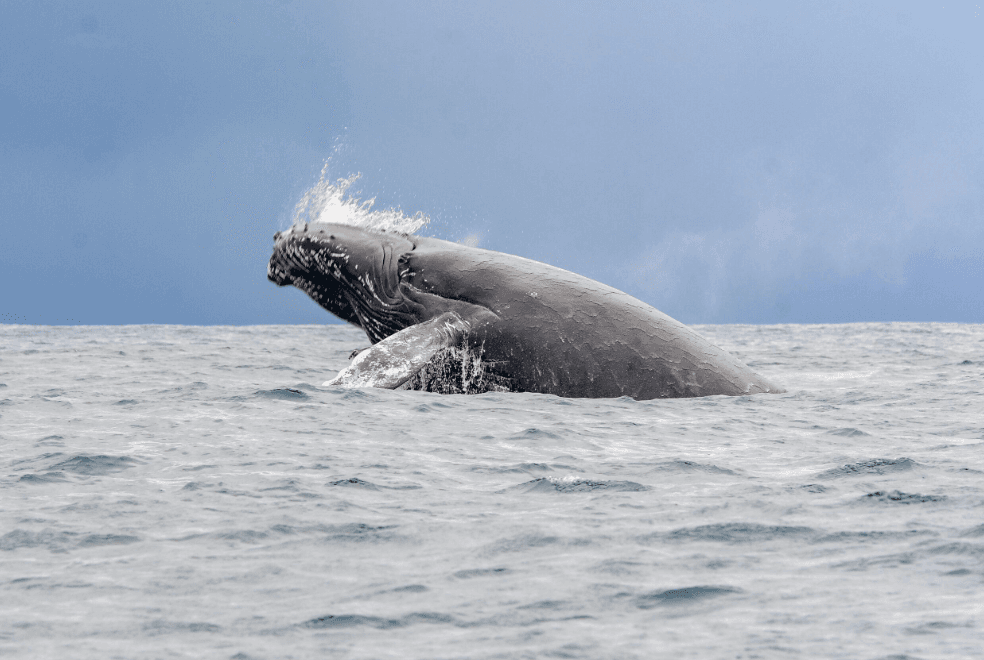
Breaching occurs when a whale propels a substantial portion of its body out of the water before falling back onto the surface.
A humpback whale may rise at an angle, rotate slightly, or emerge almost vertically. The landing often produces a large splash that can be seen from a considerable distance.
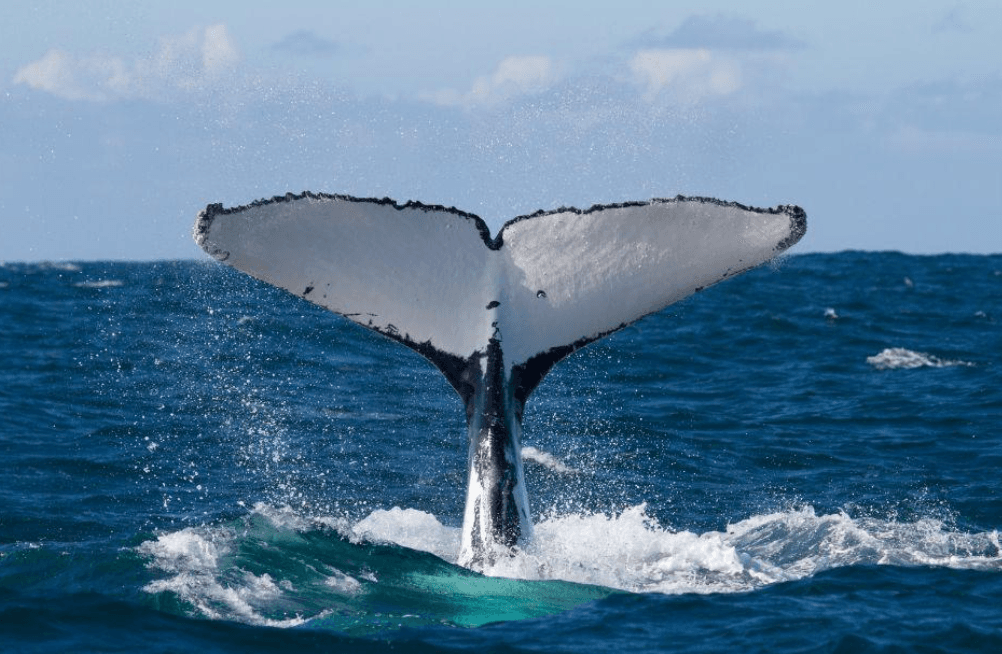
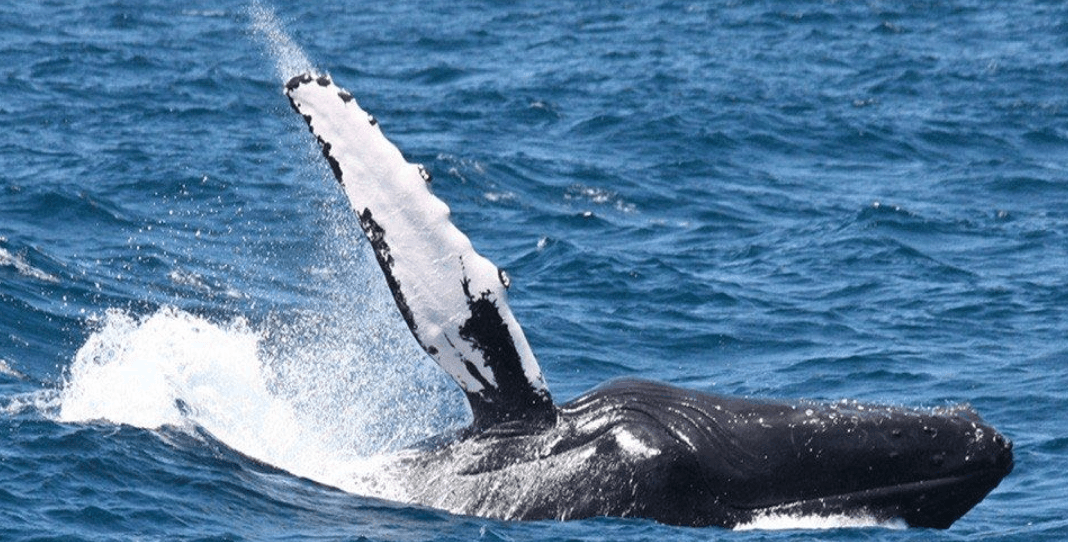
Breaching is different from other surface behaviors, such as lifting the tail, rolling, or exposing the head above the water. These behaviors have different physical movements, and researchers observe them separately when studying whale activity.
Although humpback whales are powerful swimmers, getting so much of their bodies out of the water requires considerable effort. The exact movements involved depend on the whale's approach, speed, and position.
1. Could Breaching Be a Form of Communication?
One possible explanation is that breaching helps whales communicate through sound and movement.
When a large whale lands on the water, the impact creates noise and disturbance that may be detected by nearby animals. Researchers have considered whether such displays help communicate information over a distance.
However, a breach does not automatically mean a whale is sending a deliberate message. Scientists still investigate how different surface behaviors relate to social interactions, and the meaning may vary with the circumstances.
For visitors watching whales in Samaná Bay, the important point is that breaching may have a social function, but it is not possible to determine the whale's intention from one jump alone.
2. Do Humpback Whales Breach to Remove Parasites?
Another proposed explanation is that the force of hitting the water could help dislodge external organisms or irritants from a whale's skin.
Whales can carry organisms such as whale lice and barnacles. Researchers have considered whether certain vigorous movements, including breaching and rubbing, may help whales manage discomfort or remove unwanted material.
Nevertheless, parasite removal is not a proven universal explanation for breaching. A whale that jumps out of the water is not necessarily scratching an itch or responding to a skin problem.
This is one example of why scientists avoid assigning a definite purpose to every spectacular whale movement.
3. Could Breaching Be Playful Behavior?
Breaching can look playful, particularly when a whale repeats the movement several times or performs other energetic surface activities.
Young whales may engage in active behaviors as they develop physical skills and interact with their surroundings. Adult whales can also display repeated, energetic movements.
Still, appearances can be misleading. Humans naturally interpret an impressive jump as excitement or play, but scientists cannot reliably determine an animal's emotional state from a single action.
It is more accurate to say that play or social activity may contribute to some breaching events, while the motivation behind any particular jump remains uncertain.
4. Does Breaching Help Humpback Whales Interact With Other Whales?
Humpback whales spend time near other individuals during their seasonal presence in tropical breeding areas, including the waters around Samaná.
Their interactions may involve movement, vocalizations, changes in spacing, and other surface behaviors. Breaching sometimes occurs within these broader social settings.
However, not every breach takes place in a group, and a whale may breach even when other whales are not immediately visible from a tour boat.
The surrounding context matters. Researchers may compare the behavior with nearby whales, environmental conditions, and other observed activity to develop possible explanations.
5. Is Breaching Related to Migration?
Humpback whales travel long distances between high-latitude feeding grounds and warmer breeding areas. Samaná Bay is a well-known seasonal destination for North Atlantic humpbacks.
Breaching can occur in different parts of a whale's range, so it should not be interpreted as a behavior that happens only during migration or only in breeding waters.
A whale breaching in Samaná is not necessarily preparing to leave the bay. It may simply be displaying a behavior that can occur in different contexts.
Migration is a major part of humpback whale life, but the reason for a particular leap cannot be determined from location alone.
6. Why Do Some Whales Breach Repeatedly?
Sometimes a humpback whale breaches more than once in a short period. Repeated leaps can be especially exciting for whale watchers because they offer several opportunities to observe the animal.
Scientists consider the wider behavioral context when studying repeated breaches. Possible factors include social interactions, individual behavior, and other conditions that are not always apparent to observers.
A sequence of jumps does not necessarily mean the whale is performing for the boat or asking people to watch. Its behavior occurs independently of the visitors' expectations.
If you are fortunate enough to see repeated breaching in Samaná Bay, enjoy the spectacle while remembering that the animal's exact motivation may remain unknown.
Can You See Humpback Whales Breaching in Samaná Bay?
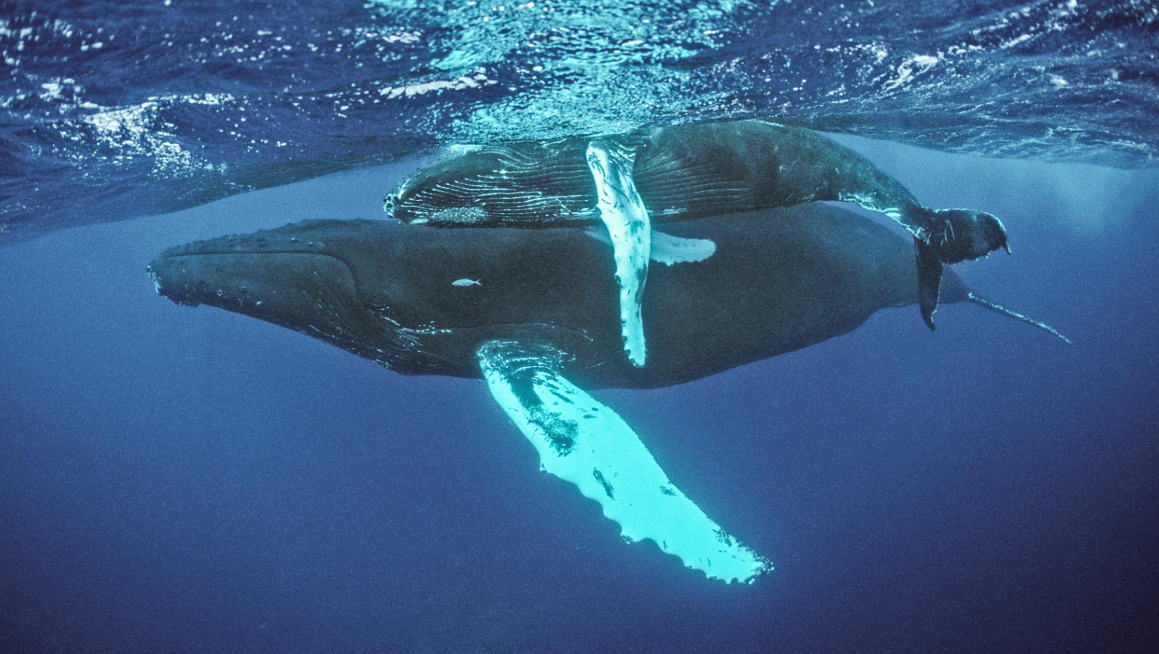
Breaching is one of the behaviors visitors hope to see during whale-watching season. Samaná Bay is an important seasonal area for North Atlantic humpback whales, which travel to Caribbean waters to breed and give birth.
However, breaching is unpredictable. Some trips may feature energetic surface displays, while others may offer only brief views of backs, fins, tails, or blows.
The likelihood of seeing a breach can depend on the whales' behavior that day, sea conditions, and simple chance. No responsible operator can guarantee that a whale will leap out of the water during a particular excursion.
Choose a tour that emphasizes responsible wildlife observation rather than promising dramatic performances.
What Should You Do if a Whale Breaches Near Your Boat?
A sudden breach can surprise passengers, especially when the whale appears closer than expected.
For a safe and respectful experience:
- Follow the captain's and guide's instructions.
- Remain seated or hold a secure position when instructed.
- Keep your hands and equipment inside the boat.
- Avoid shouting at the whale or attempting to attract its attention.
- Do not encourage the boat to chase the animal for a closer photograph.
- Give the whale room to move naturally, following the applicable wildlife-viewing rules.
A breach can create a substantial splash, so maintaining awareness of the boat and the people around you is just as important as enjoying the sight.
How to Photograph a Breaching Humpback Whale
Breaching happens quickly, making it difficult to predict the exact moment when a whale will launch itself into the air.
If you want to photograph whale activity in Samaná, consider these tips:
Use a fast shutter speed. A fast shutter can help freeze the whale's movement and the water droplets surrounding it.
Keep your camera ready. If whales are active at the surface, be prepared to react without spending every moment looking through the viewfinder.
Include the surrounding water. A wider composition may capture the whale's leap and the splash where it lands.
Take care in a moving boat. Keep your balance, protect your equipment from water, and follow the crew's instructions.
Enjoy the moment directly. Not every memorable sight needs to be photographed. Watching a breach with your own eyes can be just as rewarding.
Even with good preparation, you may not capture a breach. Treat photography as an opportunity rather than a guaranteed result.
What Breaching Can Tell Us About Humpback Whales
Breaching shows just how powerful and physically capable humpback whales are. It also gives researchers an opportunity to observe a striking behavior in the context of the whales' wider activities.
Yet the scientific value of a breach depends on more than its dramatic appearance. Researchers may need repeated observations and information about the surrounding circumstances to explore possible functions.
For visitors, the best approach is curiosity without overinterpretation. A leap may be associated with social interaction, communication, or another behavior, but one observation rarely provides a definite answer.
Frequently Asked Questions
Why do humpback whales jump out of the water?
Scientists have proposed several possible explanations, including communication, social interaction, play, and the removal of external irritants. No single explanation accounts for every breach.
Is breaching a sign that a whale is happy?
Not necessarily. A breach may look playful or joyful to a human observer, but the behavior alone does not establish the whale's emotional state.
Do humpback whales breach in Samaná Bay?
Humpback whales may breach during their seasonal presence in Samaná Bay. However, the behavior is unpredictable, and sightings cannot be guaranteed on every trip.
Do whales breach to communicate with other whales?
Communication is one possible explanation because a breach can create sound and a visible surface disturbance. Its exact role in a particular situation remains uncertain.
Can a whale breach beside a whale-watching boat?
Whales may surface or breach within sight of boats, but visitors should never assume a close encounter will happen. Responsible operators follow applicable viewing rules and avoid pursuing animals for photographs.
What is the difference between breaching and tail slapping?
Breaching involves launching a substantial portion of the whale's body out of the water. Tail slapping occurs when the whale strikes the water with its tail flukes. Both are surface behaviors, but they involve different movements.
Experience the Wonders of Samaná Whale Watching
A humpback whale breaching is a powerful reminder that the ocean is full of behaviors scientists are still working to understand. The leap may be linked to social activity, communication, or other factors, but its exact purpose is not always clear.
During whale-watching season in Samaná Bay, stay observant, listen to your guide, and appreciate the natural behavior you are fortunate enough to witness.
You may see a spectacular breach—or you may discover that the quieter moments of watching a whale surface, breathe, and disappear beneath the waves are equally unforgettable.

Local explorer & expert guide in Samaná Bay Whale Watching.