How Do Humpback Whales Stay Warm in Tropical Waters?
Humpback whales are famous for their seasonal migrations between colder feeding grounds and warmer breeding areas. Every year, many travel to tropical and subtropical waters, including the waters around Samaná in the Dominican Republic.
This journey raises an interesting question: if humpback whales have thick insulation to retain body heat in cold oceans, how do they avoid overheating when they arrive in warmer waters?
The answer involves more than simply having thick blubber. Humpback whales rely on a combination of insulation, blood circulation, heat exchange, and physiological regulation to maintain a suitable internal temperature.
Understanding these adaptations offers another perspective on the remarkable biology of the whales visitors encounter during the Samaná whale-watching season.
Why Do Humpback Whales Need to Regulate Their Body Temperature?
Humpback whales are mammals, which means they maintain a relatively stable internal body temperature despite changes in the temperature of their surroundings.
Their bodies produce heat through normal metabolic activity. At the same time, heat is continually exchanged with the surrounding water.
Because water transfers heat much more effectively than air, living in the ocean creates particular challenges for a large mammal. In cold conditions, a whale needs to limit excessive heat loss. In warmer conditions, it must balance insulation with the ability to release heat.
This balance is especially important for humpback whales because they migrate between environments with different temperatures and ecological conditions.
A whale's temperature regulation is not a conscious decision in the human sense. It is the result of biological systems that respond to internal and external conditions.
What Is Blubber, and How Does It Work?
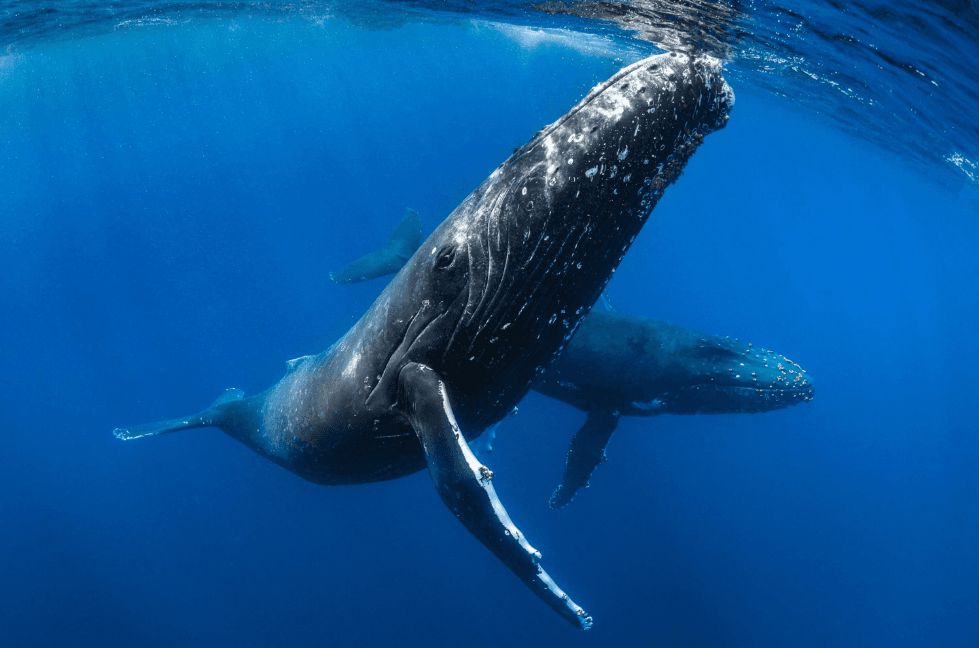
Blubber is a thick layer of fat and associated connective tissue beneath a whale's skin. It is one of the most important adaptations that help humpback whales live in water.
Blubber serves several functions.
First, it provides insulation. By slowing the transfer of heat from the body to the surrounding water, it helps a whale retain warmth.
Second, it stores energy. Fat reserves can support the animal during periods when food is limited or unavailable.
Third, blubber contributes to the body's shape and physical properties, including buoyancy.
Unlike a removable winter coat, blubber is part of the whale's body. Its thickness and energy reserves can vary with factors such as nutritional condition, life stage, and reproductive demands.
Although blubber is essential, it does not mean a whale is completely insulated from its environment. Heat can still move between the body and water, and other physiological mechanisms help regulate that exchange.
Can Thick Blubber Make a Humpback Whale Overheat?
Blubber helps prevent heat loss, but it also creates a challenge when the surrounding water is warm or the whale is producing considerable metabolic heat.
Humpback whales must balance the benefits of insulation with the need to release excess heat. Their bodies have several ways to manage this balance, including adjustments in blood flow and heat exchange through areas where heat transfer can occur more readily.
The outcome depends on multiple factors, including water temperature, activity level, body condition, and the whale's physiological state.
It would be misleading to assume that a whale overheats simply because it has thick blubber and enters tropical water. These animals are adapted to migrate between different marine environments.
Their ability to function in these changing conditions reflects a combination of anatomy, physiology, and behavior rather than one single feature.
How Does Blood Circulation Help Whales Manage Heat?
Blood circulation plays an important role in distributing heat throughout a whale's body.
Blood carries heat generated by internal organs and active muscles. By adjusting circulation in different parts of the body, marine mammals can influence how much heat is retained or transferred to the environment.
In many mammals, blood vessels near the body's surface can widen or narrow, affecting the movement of heat toward or away from the exterior. Marine mammals also have specialized circulatory adaptations that can help manage heat exchange.
The details vary by species and body region, so it is important not to assume that every mechanism operates identically throughout a humpback whale's body.
The broader principle is that temperature regulation involves both insulation and circulation. Blubber slows heat loss, while blood flow helps the body manage the heat it produces.
How Can a Whale Release Heat in Warm Water?
A whale's body is not equally insulated everywhere. Certain areas may allow heat exchange more readily than regions covered by thick blubber.
In marine mammals, blood flow to areas with less insulation can contribute to heat loss. The fins and tail are among the body regions researchers consider when studying heat exchange in cetaceans.
However, the exact role of each body region in humpback whale thermoregulation should not be overstated without species-specific evidence.
Whales also regulate activity through their behavior. Moving between different water conditions and adjusting activity can influence heat production and exchange, although the reasons for any individual movement cannot be identified from appearance alone.
The important point is that a whale's ability to live in warm water does not depend on a single cooling organ. Temperature regulation involves several interacting biological processes.
Why Do Humpback Whales Migrate to Tropical Waters?
Many humpback whale populations follow seasonal migration patterns between feeding grounds at higher latitudes and breeding areas in warmer waters.
During feeding periods, whales may build energy reserves by consuming prey in productive ocean regions. During migration and breeding periods, many individuals spend less time feeding or may fast for extended periods, relying partly on stored energy.
Warm breeding waters can provide suitable conditions for mating and calf rearing. The precise migration routes and seasonal patterns differ among populations.
Samaná Bay is one of the best-known locations in the Dominican Republic for seasonal humpback whale watching. Humpback whales visit the region during the winter and early spring breeding season.
The warmer environment is not simply a place where whales escape cold weather. Migration reflects a combination of reproductive needs, food availability, evolutionary history, and the ecological characteristics of different ocean regions.
Are Humpback Whale Calves More Sensitive to Temperature Changes?
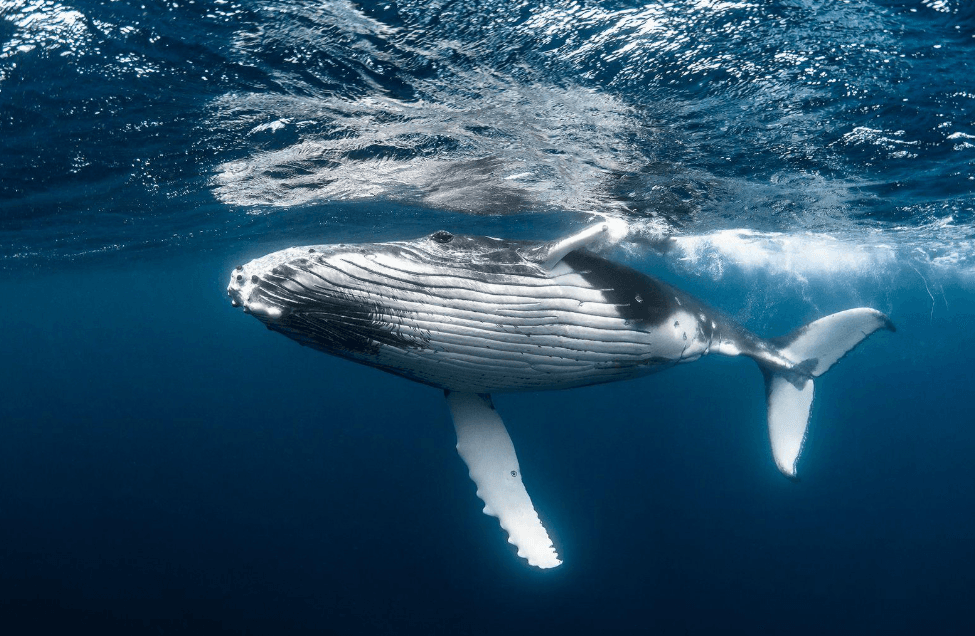
Young calves have different physiological and energy requirements from adults. They are growing rapidly and depend on their mothers for milk, nourishment, and protection.
Blubber contributes to insulation in young whales, although body size and developmental stage influence how an animal exchanges heat with its surroundings.
A smaller body generally has a greater surface-area-to-volume ratio than a larger body. This can influence the rate at which heat is exchanged with the environment. However, the real temperature balance of a calf also depends on its physiology, activity, and the conditions it experiences.
Warm breeding waters provide an important setting for humpback whale reproduction and early calf development. Still, it would be too simplistic to claim that a particular water temperature guarantees a calf's health or survival.
When visitors see a mother and calf in Samaná, they are observing part of a much larger biological process involving migration, growth, and maternal care.
Does Tropical Water Change a Humpback Whale's Blubber?
A whale's blubber is not a completely fixed layer. Its thickness and composition can change with energy balance, body condition, and life stage.
During periods of abundant feeding, a whale may accumulate energy reserves. During migration, breeding, and other periods when feeding is limited, it may draw on those reserves.
These changes are connected to the whale's overall energy budget rather than being a simple, immediate response to entering warm water.
It would therefore be inaccurate to suggest that humpback whales rapidly remove their blubber when they reach tropical waters. Insulation and energy storage remain important biological functions throughout the animal's life.
The balance between energy reserves and heat regulation is one reason scientists study body condition when investigating whale health and migration.
How Might Climate Change Affect Whale Temperature Regulation?
Climate change is altering ocean temperatures and other environmental conditions in many regions. These changes can affect marine ecosystems, including the distribution and timing of prey that whales depend on.
For humpback whales, changing feeding conditions may influence migration patterns, energy acquisition, and the timing of important life-cycle events. The effects are not necessarily identical across all populations.
Warmer water alone does not mean humpback whales will immediately be unable to regulate their temperature. These animals have physiological adaptations that allow them to inhabit different environments.
Nevertheless, changes in ocean conditions can create broader ecological challenges. Food availability, habitat suitability, and the timing of migration may all matter when evaluating how whales respond to a changing climate.
Scientists continue to investigate these relationships, and it is important to distinguish established observations from predictions about how particular populations may respond in the future.
What Can Whale Watchers Learn in Samaná Bay?
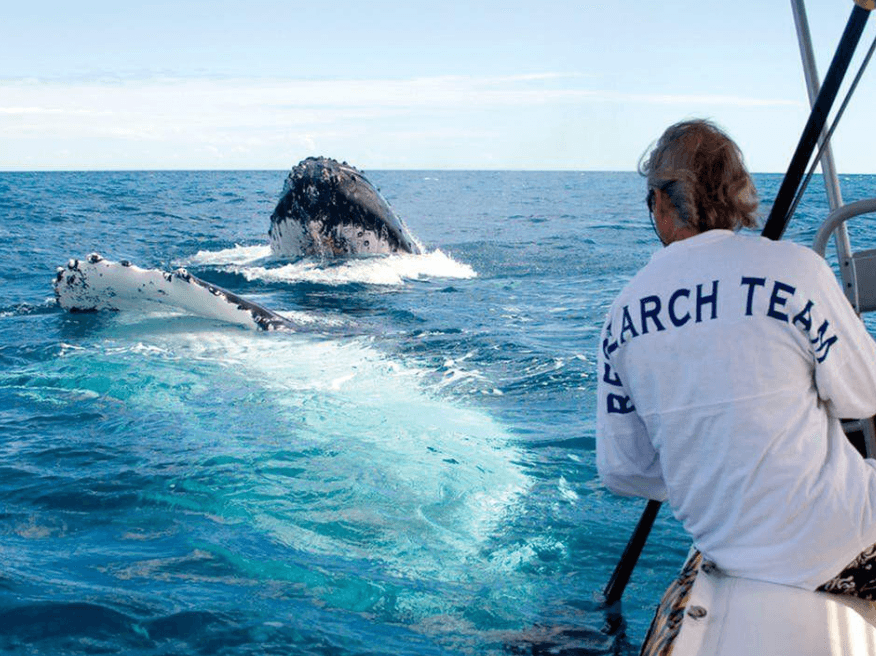
A whale-watching excursion in Samaná provides an opportunity to observe humpback whales during an important part of their seasonal life cycle.
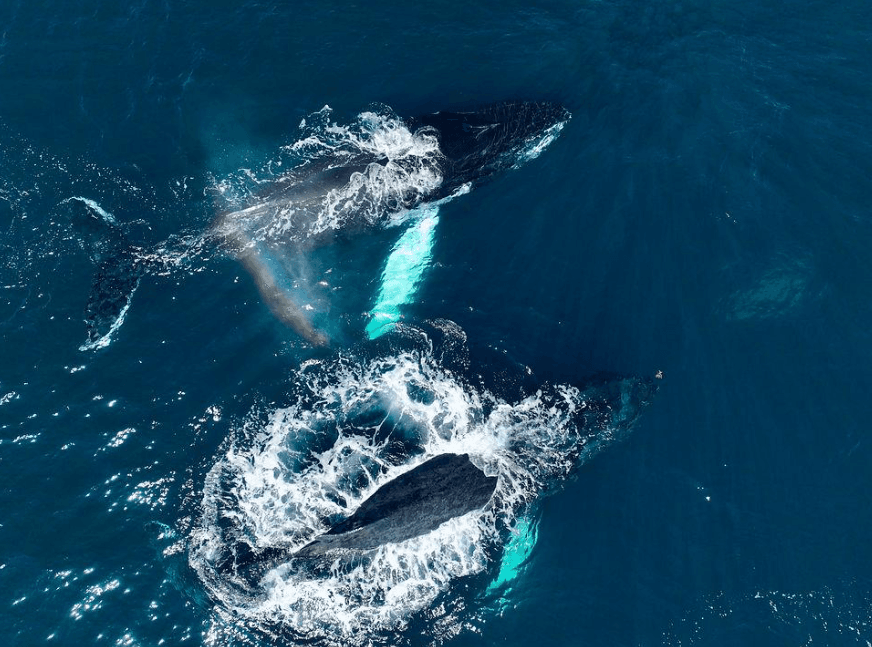
Visitors may see whales surfacing, traveling, interacting, or spending time with calves. Although body-temperature regulation cannot be directly observed from a boat, understanding it helps explain how these animals can migrate between very different marine environments.
A whale's size, smooth outline, and visible body movements reflect only part of its biology. Beneath the surface, insulation, circulation, metabolism, and energy storage are working together continuously.
Guides may explain the seasonal migration and biology of humpback whales, but visitors should remember that a particular surface sighting does not reveal the animal's internal temperature or physiological condition.
The best wildlife experiences combine observation with curiosity and respect for what science can—and cannot—conclude from a brief encounter.
Plan Your Samaná Whale-Watching Experience
Humpback whales can move between colder feeding regions and warmer breeding waters because they have evolved a range of adaptations for regulating body heat and maintaining energy reserves.
Blubber provides insulation and energy storage, while circulation and other physiological processes help manage heat exchange. These systems work together, allowing the whales to inhabit different environments throughout their seasonal migrations.
If you are planning a visit to the Dominican Republic, Samaná offers an opportunity to learn about these remarkable marine mammals during the seasonal whale-watching period.
Explore available Samaná whale-watching excursions and confirm current schedules, meeting arrangements, tour duration, and safety practices directly with the operator.
Ready to discover humpback whales in Samaná Bay? Plan your visit during the seasonal migration and enjoy a responsible wildlife experience while learning more about the biology of these extraordinary animals.
Frequently Asked Questions
How do humpback whales stay warm in the ocean?
Humpback whales use a thick layer of blubber to reduce heat loss. Their circulation and other physiological processes also help maintain a stable internal temperature.
Why do humpback whales have blubber?
Blubber provides insulation, stores energy, and contributes to buoyancy and body shape. It is particularly important for mammals living in water.
Do humpback whales overheat in tropical waters?
Their bodies are adapted to handle changes in environmental temperature. However, temperature regulation depends on several factors, including activity, body condition, and the surrounding environment.
Do humpback whale calves have blubber?
Yes. Calves have blubber, which contributes to insulation and energy reserves. Their needs and heat exchange can differ from those of adults because of their smaller size and developing physiology.
Why do humpback whales visit Samaná Bay?
Humpback whales visit the region during their seasonal breeding period. The broader migration reflects reproductive behavior and the whales' seasonal use of different marine habitats.
Can climate change affect humpback whales?
Changes in ocean temperature and prey distribution can influence marine ecosystems and whale migration. The effects vary among populations and continue to be studied.
Editorial note: This article explains general principles of whale thermoregulation without suggesting that every mechanism has been directly measured in every humpback whale population.

Local explorer & expert guide in Samaná Bay Whale Watching.